

In this week's edition of The Pointillist, a focus on climate adaptation in Aotearoa New Zealand, in light of recent extreme weather events. It includes the framing of climate risk, the economics of adaptation investment, community-led approaches to response and recovery, the interplay between democracy and climate adaptation, the human experience of climate shocks, the emergence of 'adaptech' as an investor theme, and much more.
As predicted, the shift to La Niña has induced another bout of severe weather events in Aotearoa New Zealand, an echo of 2023 when La Niña last turned.
In the 2000s it was fashionable to talk about black swan events – that is, high-impact, unforeseeable events that can only be rationalized after the fact. The terrorist attacks of 11th September 2001 were the quintessential case. Climate-related catastrophes, by contrast, tended to be classified as grey swan events – that is, high impact and low likelihood events that are nevertheless foreseeable as statistical phenomena.
This is evident in the chart below from the Insurance Council of New Zealand. Something I admire about this chart is that it clearly shows both the linear and non-linear effects of climate change. Since the turn of the century, there is a linear, incremental rise in weather-related costs, which already had insurers worried. With the Auckland Anniversary floods and Cyclone Gabrielle in 2023, however, we saw a terrible escalation of weather-related costs – from <$0.5 billion annually to $3.8 billion. It is a shocking outlier, although we cannot say it was unforeseeable. Climate change is a risk multiplier, which also makes non-linear events more probable. While the costs of this year's events are still to be counted, it is likely to be another ten-figure number.
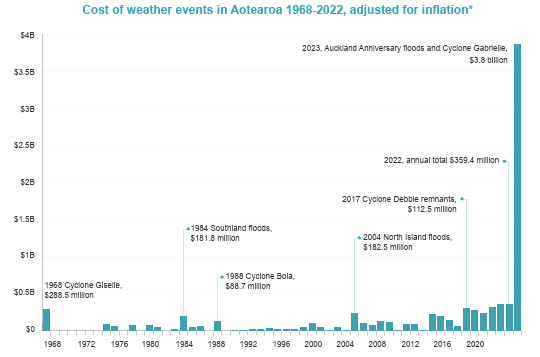
Perhaps we need to start thinking of catastrophic storms during La Niña as white swan events – that is, high-impact events that are predictable and expected. We don't know exactly which communities and catchments will be inundated, nor the total economic cost of losses and damages, but we should expect these events to happen when the Southern Oscillation flips to La Niña. If this is the right way to think about this risk, then anyone who pretends it is unforeseeable, or downplays it as 'just weather', is courting negligence. Because how many people die or lose their homes will depend partly on the willingness of decision makers to accept that foreseeable events are indeed foreseeable, and that duties of care therefore fall upon their shoulders.
If decision makers are ready to learn, one place to begin is these four lessons from several local experts in environmental management:
 Bill Fry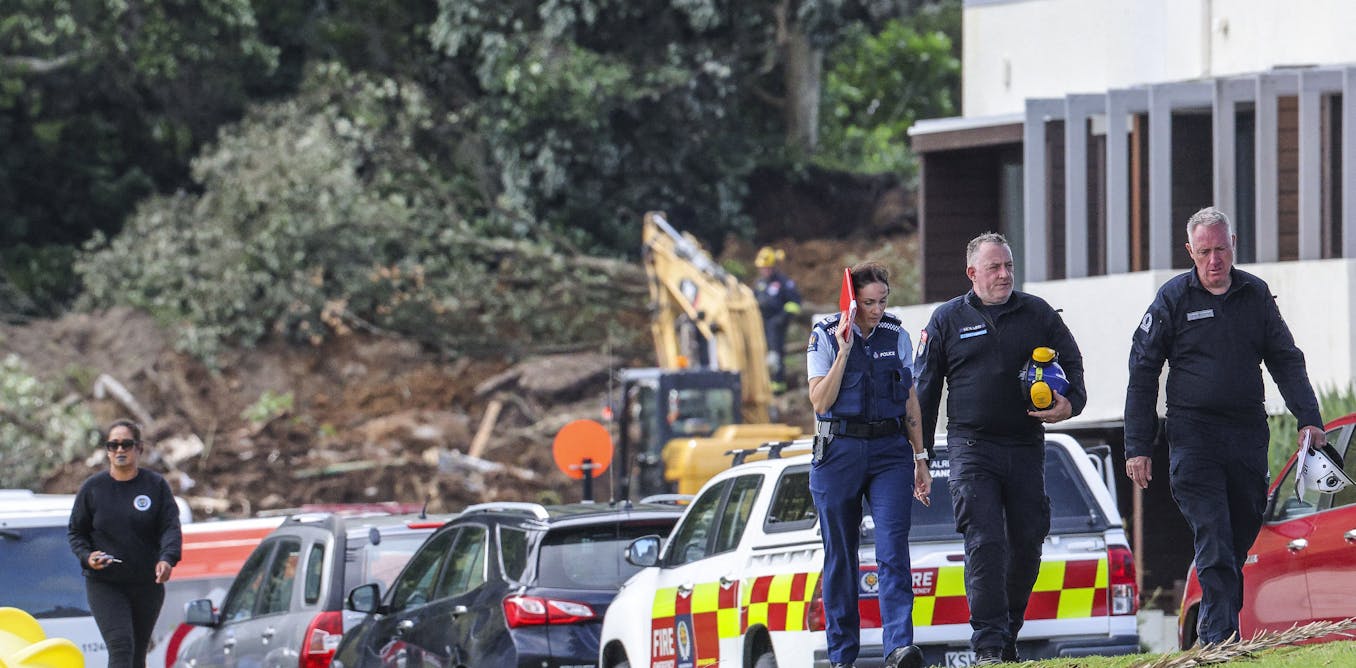
On a related note, Ben Taylor shared on LinkedIn a telling graph of state of emergency declarations, drawing from National Emergency Management Agency (NEMA) data. 1News is also reporting that the eight declarations of weather-related states of emergency in 2026 has already exceeded the total for all of 2025.
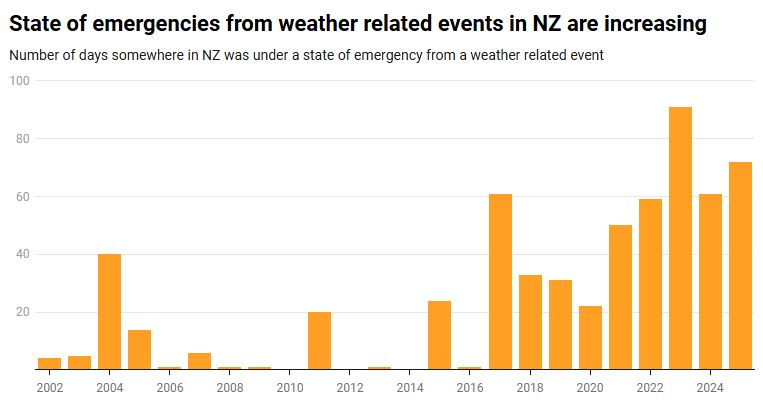
As noted in the comments on Ben's post, this upward trend might also be tracking an increased willingness among local authorities to declare states of emergency as a precaution, not all of which might eventuate as actual emergencies. Even so, this additional cautiousness would be a notable finding in itself, reflecting a significant change in institutional behaviour.
Despite these escalating risks, New Zealand remains on a reactive footing, resisting the turn to preemptive investments in risk reduction.
A fortnight ago the New Zealand Government rejected a request by Gisborne District Council to invest in its long-term plan to reduce erosion, protect vulnerable land and strengthen the resilience of its communities, infrastructure and primary industries. The decision inspired this brutally astute headline in Stuff: 'Government rejects plan to prevent landslides and save hundreds of millions'.
What was the plan? $600 million over a ten year period, with $240 million for specific transition-related initiatives and $359 million for catchment-scale land-use transitions, accompanied by regional-scale pest management programme to improve the success rates of nature-based solutions like native forest. Details are in the Transition Programme Business Case | Mahi Pākihi Hōtaka Whakawhitinga.
Contrast this proposed expenditure with the scale of actual costs associated with severe weather in Tairāwhiti after 2023 (see excerpt below), which are expected to accumulate to around $2.1 billion over several years:
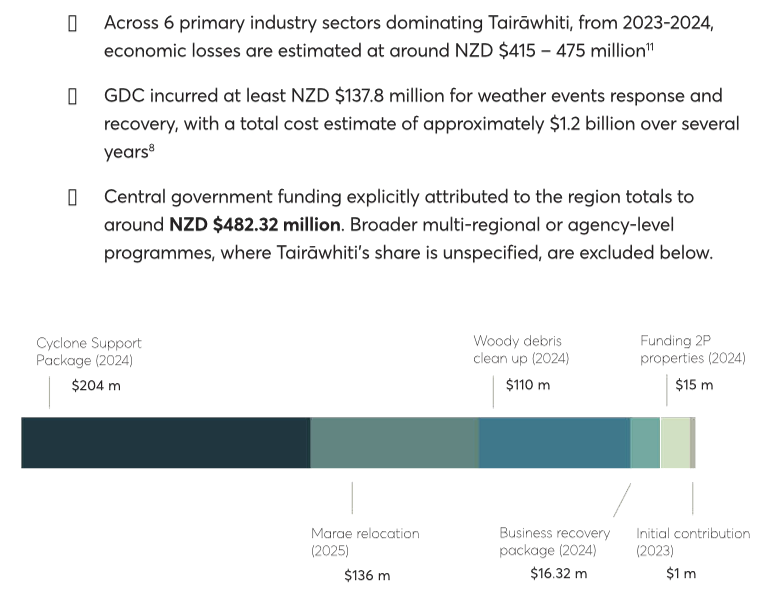
As a benefit-cost ratio, this is roughly consistent with international research which estimates that every $1 invested in risk reduction saves about $4 in response and recovery costs. That's a bloody good deal from the far-sighted perspective of prudent economic management, which looks to reduce the forward liabilities of the Crown. But it must be rather less attractive from the short-sighted perspective of electoral politics, which compels centre parties to posture on near-term debt management at the expense of other liabilities.
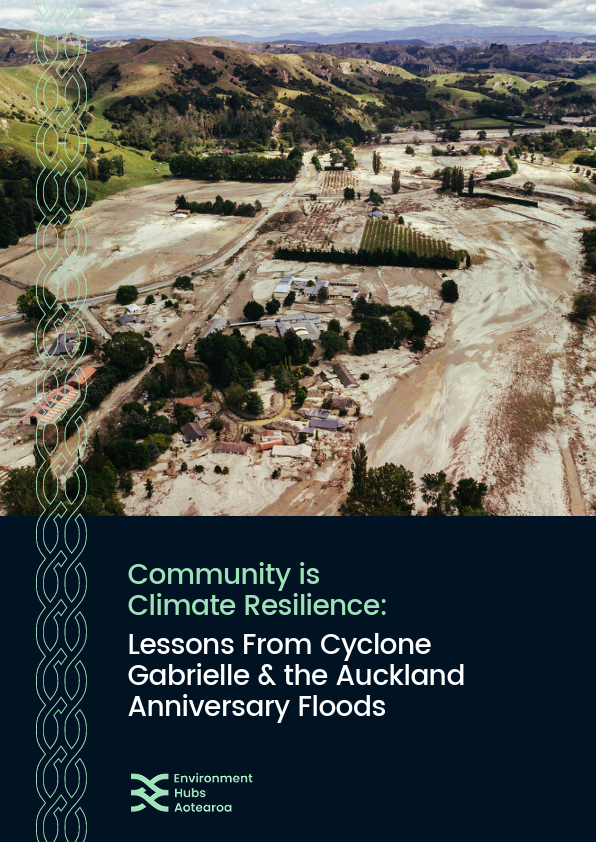
Environment Hubs Aotearoa (EHA) just published a timely report, Community is Climate Resilience: Lessons from Cyclone Gabrielle & the Auckland Anniversary Floods. Nominally, it is about the severe weather events of 2023, but it incidentally shines a light upon the wider political malaise we face today: the defunding of public goods (including emergency management), the insensitivity of bureaucracy, and the depreciation of our community sector. These trends feed into the discontent and disenfranchisement that pervades contemporary politics – and disasters can be relied upon to expose and accentuate those dysfunctions.
The EHA report surveyed people in Auckland, Hawkes Bay and Tairāwhiti, and discovered that the official response fell short in various ways. Communication emerged as the most-cited shortfall, followed by lack of support. Both came ahead of infrastructure. Perhaps this reflects a pragmatic acceptance that, when disaster strikes, our physical infrastructure (wires, pipes, roads) will inevitably take a hit. But what is harder to accept is the breakdown of human connectivity: the neglect of people's right to receive information, the failings in the collective duty of care, and the degradation of social trust. These things cannot be washed away by floodwaters; we cannot blame the rain for their decline. Rather, they exist through good intentions, competent action, and a responsiveness to how help is received. What's causing the failures in that?
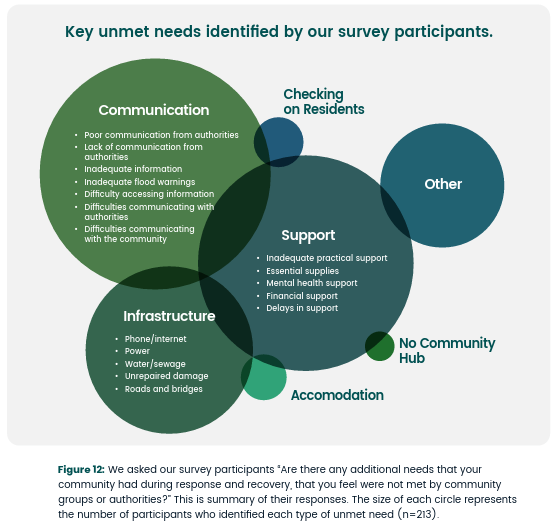
The section on 'unhelpful help' is especially illuminating:
Several interviewees described the supplies provided by Civil Defence as not aligning with what they needed:
“The only stuff Civil Defence provided was left on the other side of the river. And it was stupid stuff, like packs of bottles of water—when we are on a rural property, and we’ve got seven water tanks, and the neighbours have got water tanks. So what are we gonna do with bottles of water? And cat food… nobody needed cat food.”
Yet another spoke of receiving helicopter drops of horse hay from authorities when “the horses weren’t actually impacted. The grass has never been greener.” For some, the waste generated by supplies sent by Civil Defence was particularly challenging to deal with when landfills were closed:
“Civil Defence sent masses of single-use packaging for kai and single-use water bottles to issue out… The insult of having more waste to deal with when you are throwing out your precious belongings and the landfill was locked was terrible.”
The EHA report articulates six factors that hindered community responses to the North Island severe weather events of 2023: (1) the historic disempowerment of and disestablishment of voluntary Civil Defence groups; (2) present-day underresourcing of community groups; (3) failures in communication and coordination; (4) strained relationships between authorities and communities; and (5) failures of authorities to meet the needs of the most vulnerable.
On the positive side, the report articulates the unique characteristics of community organisations that make them well-placed to respond: (1) understanding the needs of their communities thanks to being ‘on the ground’ every day in their community; (2) having well-established networks of volunteers and key contacts in the community; (3) their role as nodes that facilitated communities coming together; (4) having highly flexible systems and processes that allowed them to respond rapidly to the changing situation; and (5) having access to a physical space from which to operate.
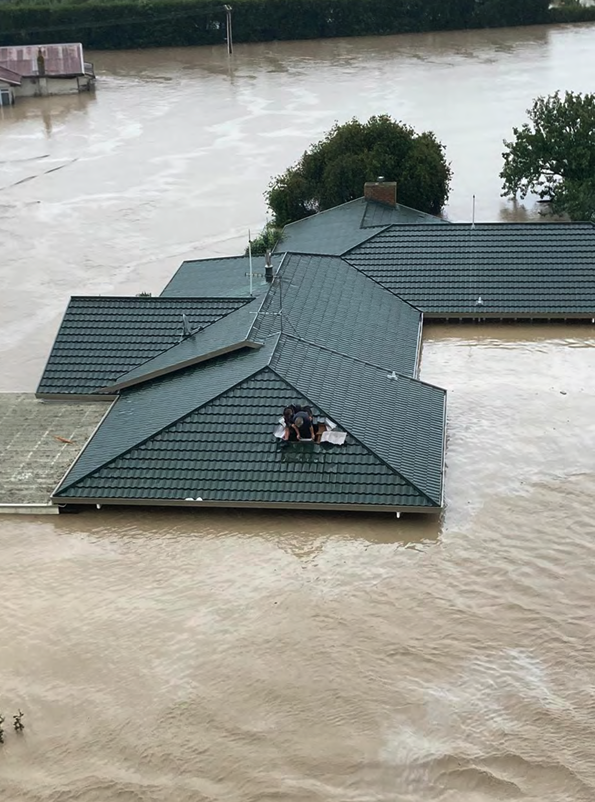
The other striking aspect of the EHA report is its extraordinary imagery – from the nightmarish photo above of someone bursting through their roof, to the ominous cover image below. I travelled through the Esk Valley some weeks after the flood: it was unforgettable and profoundly unsettling. My most immediate reference point was the Canterbury earthquakes, another event that abruptly uprooted and scattered about the artefacts of human settlement. But I was also reminded of historical war photography: the contorted wreckage of vehicles, the twisted wire fences, the windowless buildings. The layer of silt even gave the landscape a monochrome, sepia-toned appearance. Such sights aren't easy to shake, hopefully even by the MPs who figured in this recollection by an Esk Valley resident:
“We had Members of Parliament turn up at our front gate and have their photos taken, but nobody came up the drive to say, ‘You chaps doing okay?’”

One of the challenges of climate adaptation, especially the use of states of emergency, is the protection of democratic practices and ideals. Emergency politics are inherently in tension with democracy, involving a suspension of ordinary political processes to further empower authorities to decide and act on behalf of citizens, rather than at their behest. Along with the centralization of power, this eventually erodes the democratic spirit, potentially in the ways that the EHA research records.
This journal article in Climate Policy proposes a Climate Adaptation Democracy (CAD) Framework to articulate this challenge, and to support policy actors to defend and reactivate democratic structures and processes.
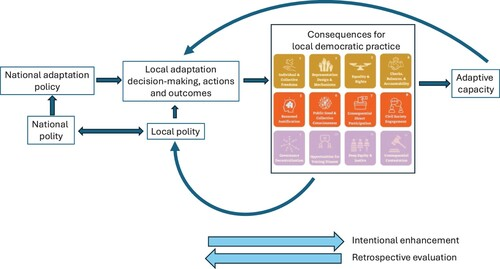
The CAD Framework teases out twelve democratic 'qualities', which range from individual and collective freedoms, to political representation, to public reasoning, to civil society engagement, to practices of dissent, and much more. At the local level, these democratic qualities are constitutive of a community's adaptive capacity, and also serve to form and shape the local polity. The activation of local politics, in turn, has an influence on national politics and the development of national-level policy directions. If local democracy withers, these feedback loops dissolve, and adaptation policy becomes a top-down process that works against democracy. But if these feedback loops are in play, then climate adaptation might serve as a source of democratic renewal, because success relies on the democratic qualities of relevant communities.
Human experience is vital to understanding the full effects of disaster-related events. The social sciences and humanities are the disciplines most suited to capturing the qualitative aspects of people's lives after climate-related events.
As a window into the Tairāwhiti experience, Te Pūnaha Matatini and University of Waikato are exploring the role of sport as a form of solace and connection through a research project, Community Sport in Uncertain Times. This builds upon their earlier investigation of the 'emotional landscapes' of youth and rangatahi after Cyclone Gabrielle.
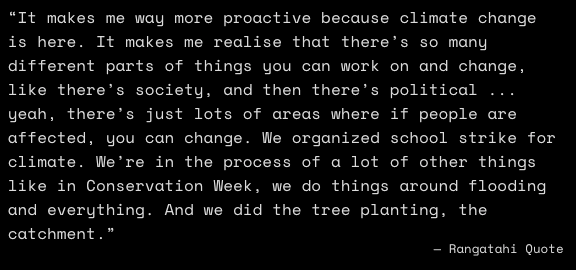
In a media era that abstracts us from other people's tragedies, it is worth spending time with these quotes to get a feel for what our East Coast family are navigating:
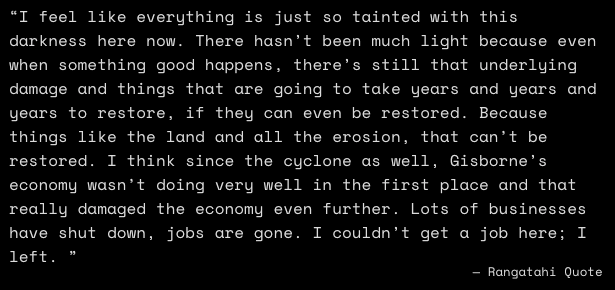
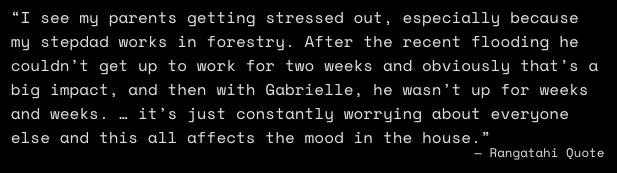
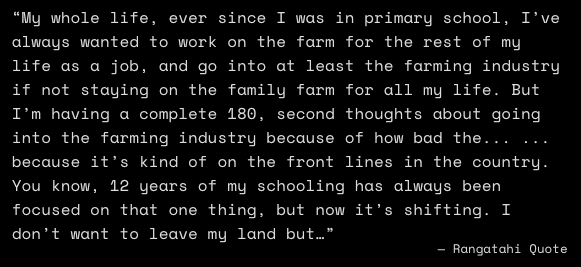
This research also builds on an earlier collaboration between Te Weu Tairāwhiti and University of Auckland to explore the impacts on health and wellbeing in Tairāwhiti and Hawkes Bay. It is available here:
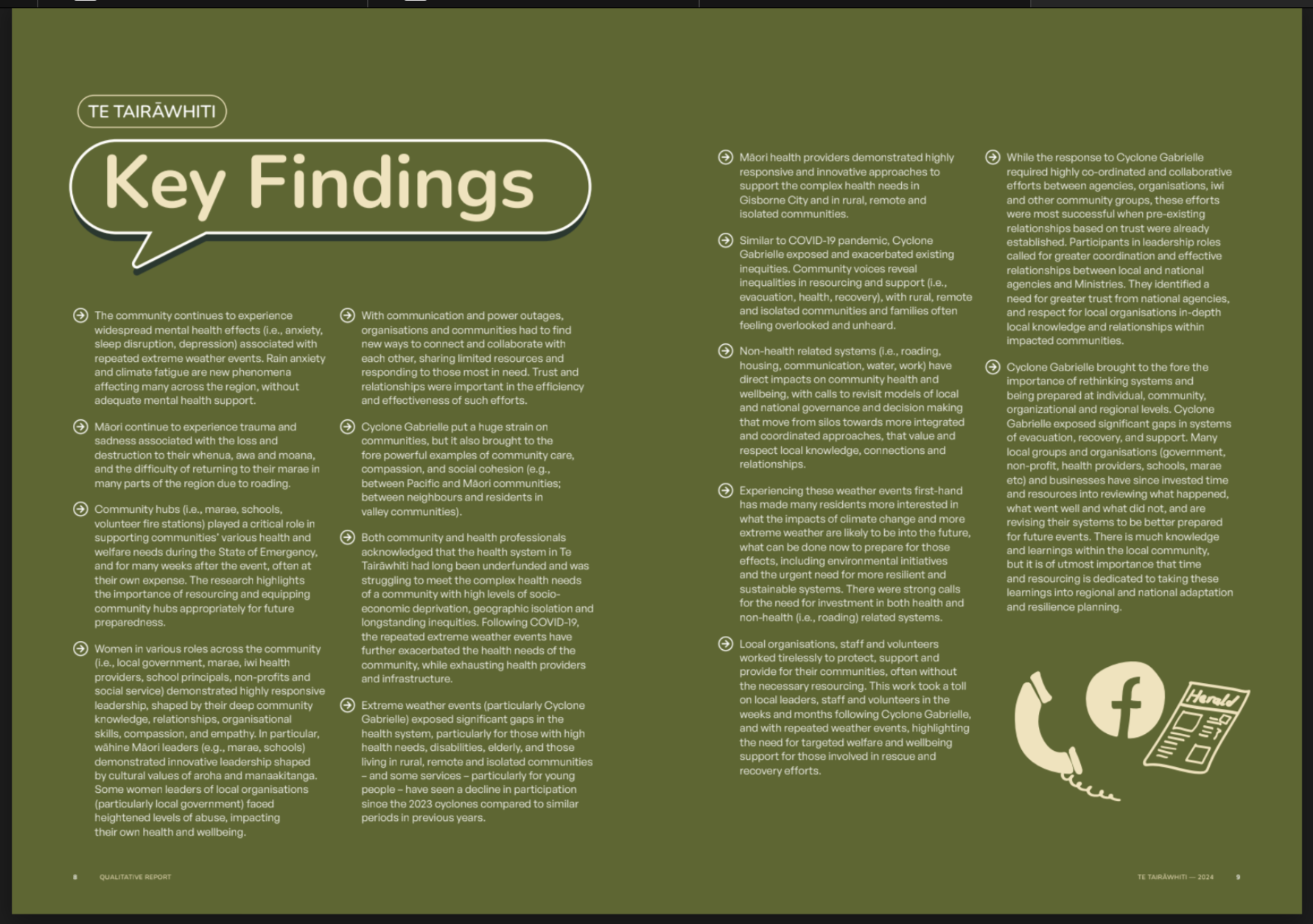
 Fiona Langridge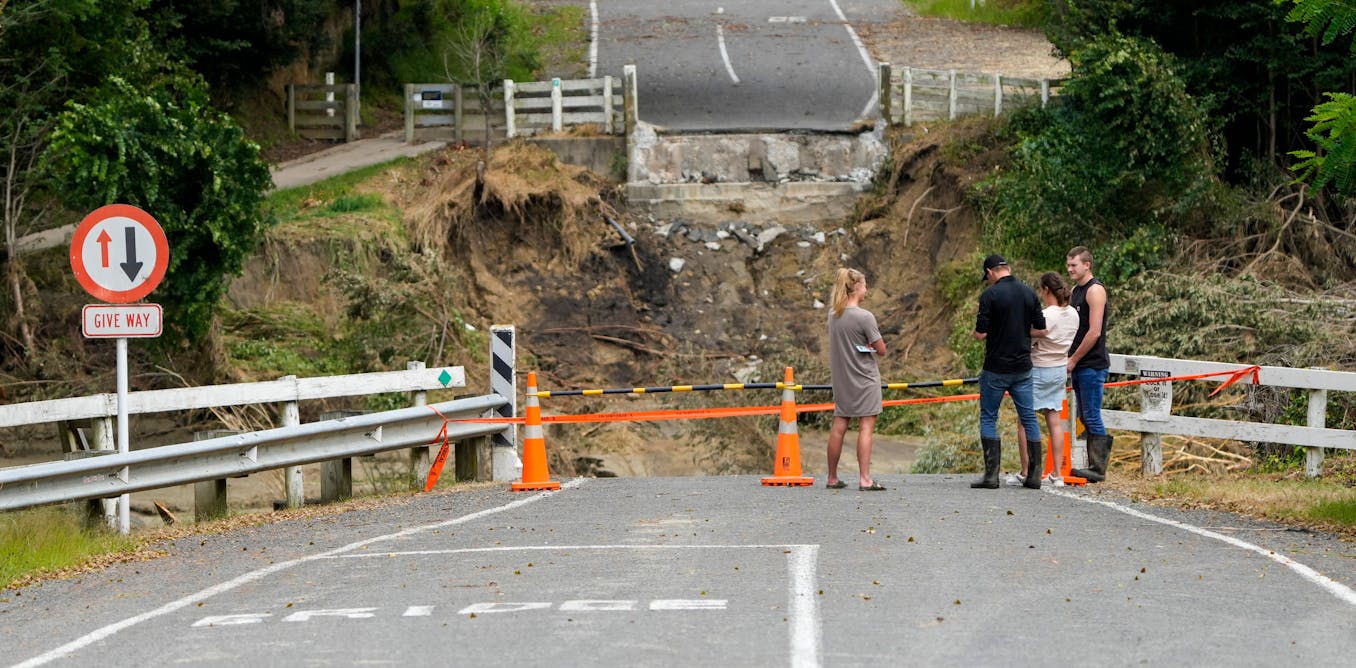
It is well known among New Zealand readers that poorly managed forestry debris, or 'slash', has amplified the impacts from severe weather events in Tairāwhiti. Alongside the exotic and native trees that collapse into floodwaters, there is still a significant volume of historical slash in the hills that could be mobilized by future rain events.
What is less well known is that other countries are facing similar problems. The photo below is from Aceh province in Indonesia, November 2025.
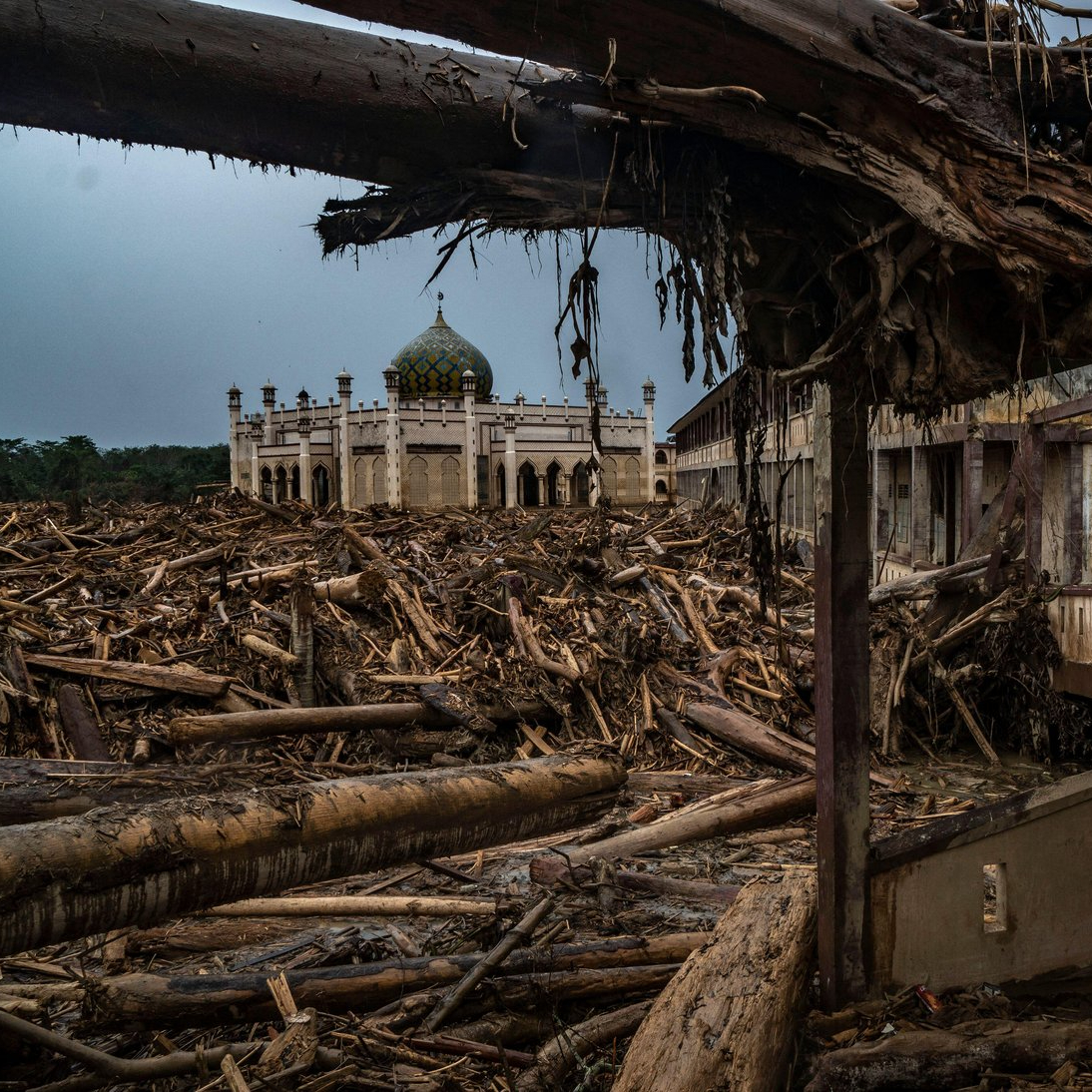
Some 2,370 people died when Cyclone Senyar swept through the Malacca Strait just a few months ago, with widespread impacts in Malaysia, Thailand, Sri Lanka and Indonesia. In Aceh and Sumatra, logs from rainforest clearance were mobilized by floodwaters, destroying infrastructure and ultimately choking up the seas, which cut off fishers from their livelihoods.
The contexts are very different: historical mismanagement of slash in plantation forests in Tairāwhiti and the clearance of primary forests in Indonesia. But there are parallel outcomes, whereby the mobilization of abandoned wood is heightening the flood-related impacts for downstream communities. Whether in Aotearoa or Indonesia, the intensification of climate-related impacts is interacting dangerously with maladaptive land-use practices.
 Philip Jacobson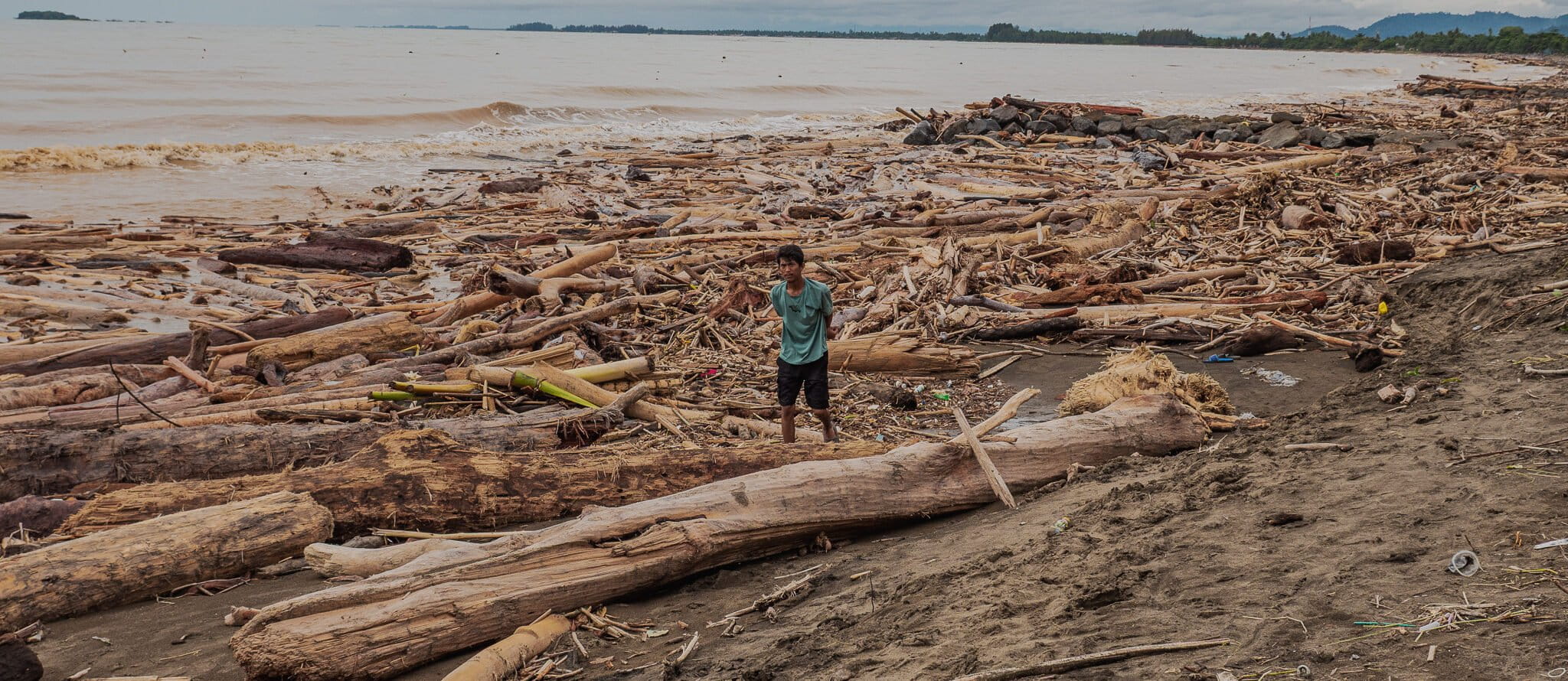
For readers in the investment community, I recommend this new market analysis on adaptation tech (or ‘adaptech’) from Tailwind Futures’ Adaptation & Resilience Innovation Playbook.
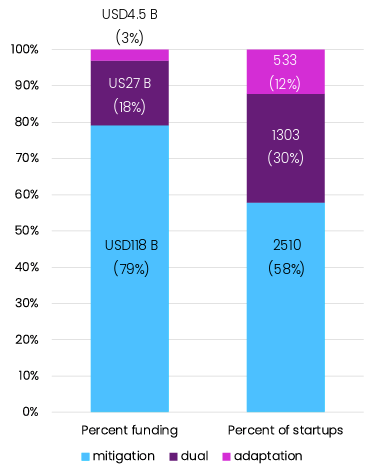
One takeaway is that adaptech startups are underinvested. Pure play startups in adaptation and resilience (A&R) make up 12% of all funded climate tech startups globally, but receive only 3% of total funding (see the chart below).
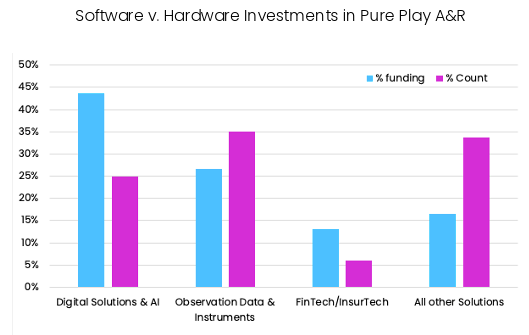
Adaptech investment is also overwhelmingly oriented towards Digital Solutions & AI (44%) and Observation Data & Instruments (27%). Only 16% of funding is going toward physical risk reduction services and technologies, such as materials, equipment, medications and filters (All Other Solutions). FinTech/InsurTech is still only a nascent theme (see the chart below).
Meanwhile, the global market for adaptation solutions is massive, but dominated by government and household expenditure. The Tailwind Futures analysis estimates the total addressable market at USD1.4 trillion in 2023. Governments contributed 51% of total expenditure at USD737 billion, while households contributed 45% at USD647 billion.
Strikingly, corporate spending on adaptation products and services was estimated at only 4% of the total market. This points to a major opportunity for accelerated adaptation, because risk reductions in corporate value chains will have spillover benefits for everyone. Corporates are also surely free-riding by allowing governments and households to carry the majority of the costs.
On climate finance more broadly, the excellent Climate Policy Initiative has just released a primer on designing adaptation investments. It is titled Assessing Climate Risk, Framing Resilience, and Reporting Impact: A Guide for Climate Finance Practitioners. Although oriented toward an international investor context, its recommendations are instructive for any financing vehicle that addresses adaptation and resilience.
 Morgan Richmond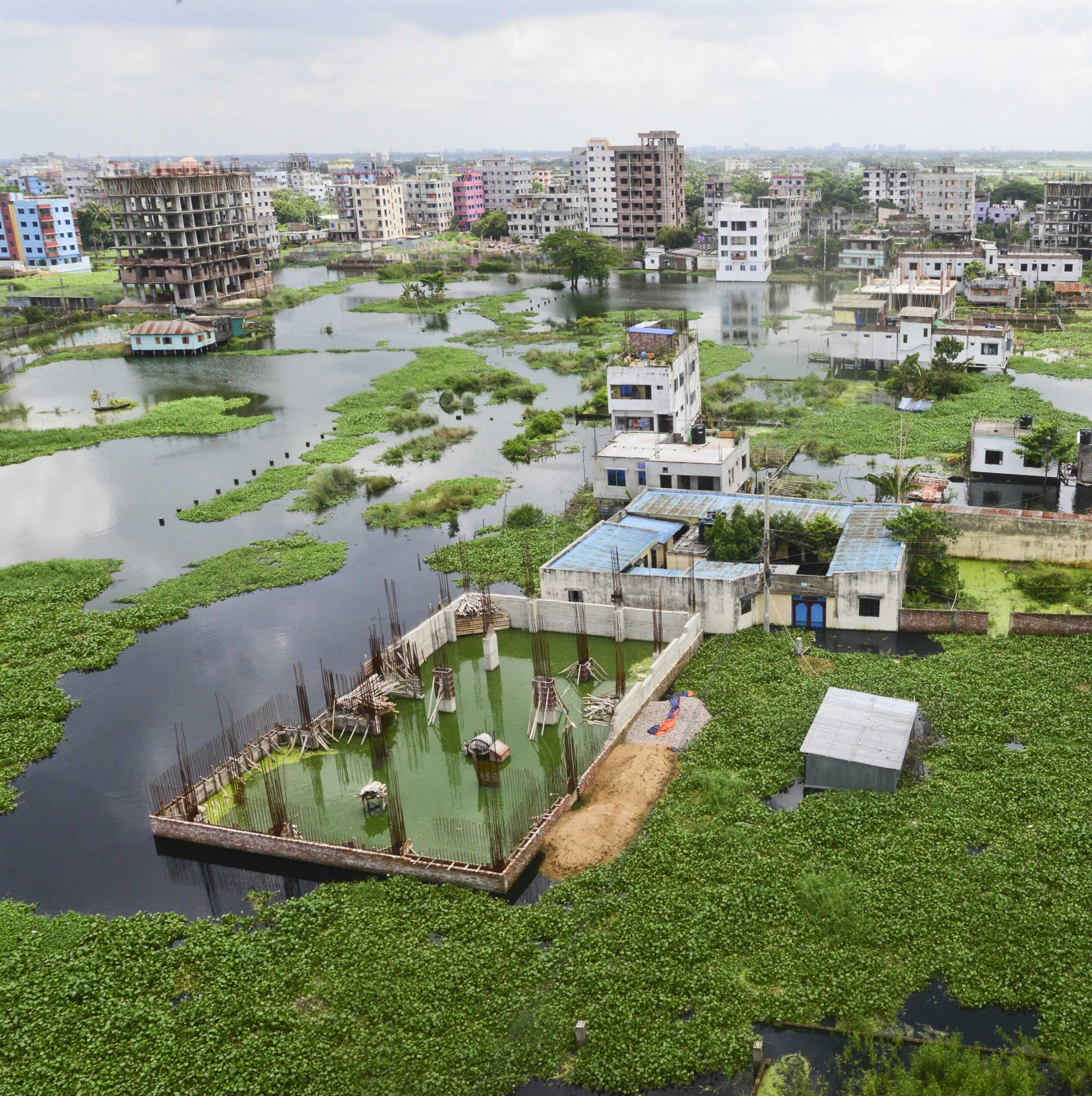
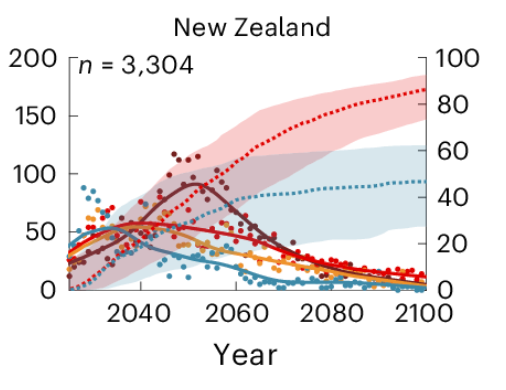
Finally, as a reminder of what's at stake, here are some charts from a new Nature paper on projected annual glacier disappearance under different warming scenarios.
These charts show the numbers of glaciers of varying size, under different warming scenarios. It is simple really: the hotter we get, the fewer glaciers we have against the 2025 baseline. Even the Paris Agreement's aspirational target of 1.5℃ entails a massive loss of glaciers.
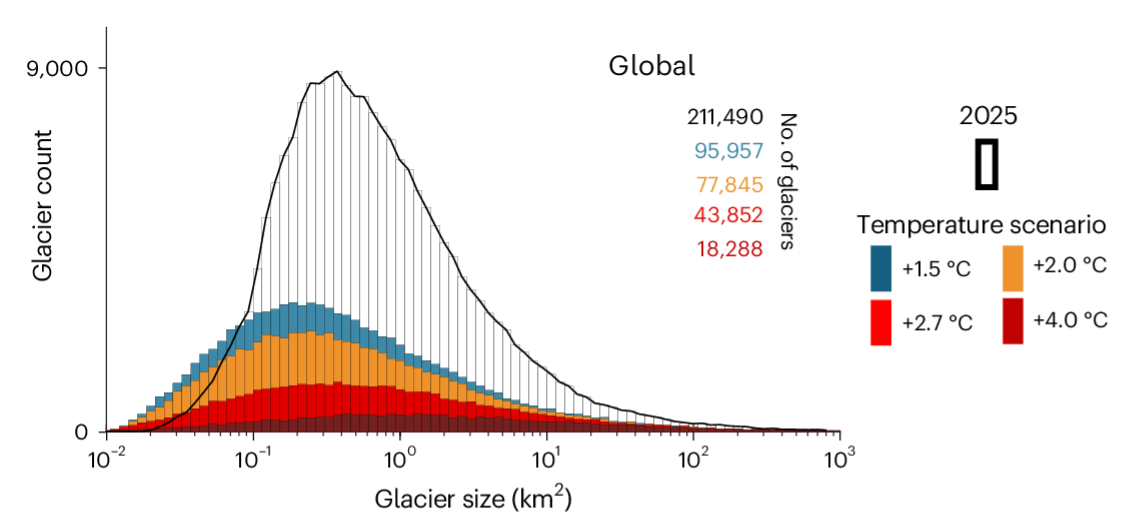
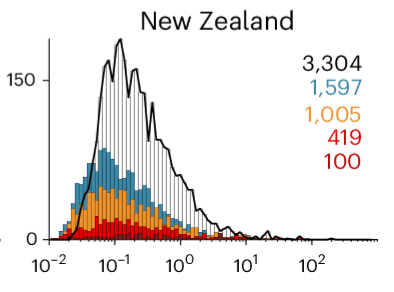
And this is going to happen within the lifetimes of many of us, with the greatest losses occurring over the next few decades. The rate of loss declines, of course, because there ain't as many glaciers left to lose.
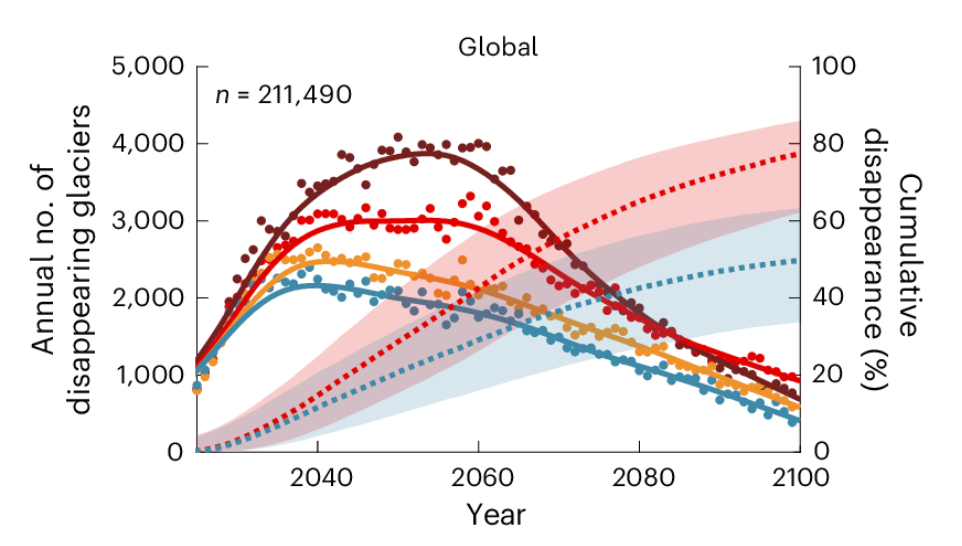
If this alarms you, lend your support to the New Zealand chapter of Protect Our Winters who raise awareness about the need to save the snow from global heating.
Thanks for reading this far! If you haven't already, please subscribe to receive future content like this, as well as essays and transition-related briefings.